Recreational Areas
This is a practical guide to help you navigate it all, including where to go, how to book, what to expect, and links to reservations, permits, and key resources.
There’s a lot of overlap and nuance between land management agencies. For simplicity, we’ve loosely grouped everything into two experience levels:
Beginner Friendly: Developed camping & hiking
- Easier to access, more structured (signage, maintained trails, rangers)
- Often have designated campsites with amenities like bathrooms, picnic tables, and fire rings.
- Typically requires reservations or fees
- More people. You’re likely to see people on the trails and have campsite neighbors
Advanced Mode: Dispersed camping & hiking areas
- No -or limited- amenities. You're self-sufficient.
- Campgrounds & trails are more primitive. Less structure & signage.
- Mix of reservations and “first come first served” camping.
- Offers more solitude and flexibility but requires more experience and preparation.
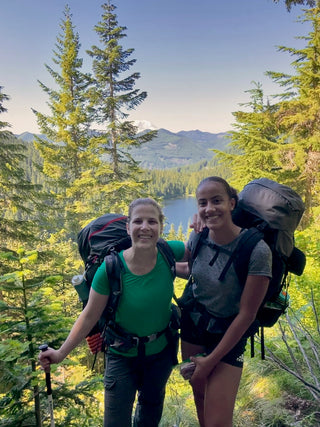
This is a guide, not an exhaustive rulebook. Conditions, rules & permits change. Verify the specific site before you head out.