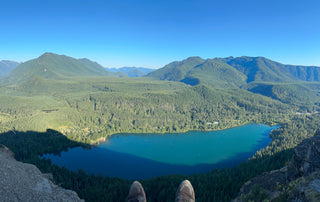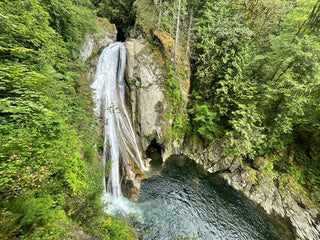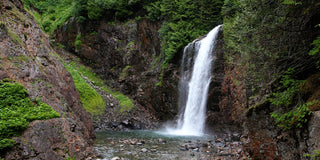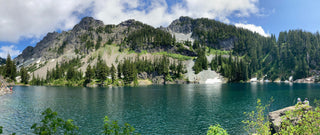
Wilderness Areas
E.g., Alpine Lakes Wilderness, Glacier Peak Wilderness, Goat Rocks Wilderness
Wilderness areas are protected spaces within parks and forests where things are kept as wild as possible. No roads, no motorized use, and little to no development. Learn more
Agency
U.S. Forest Service and National Park Service (depending on location)
Planning & Backpacking Reservations
Reservations are required for overnight trips in popular areas (permits are typically limited and seasonal). Other areas don’t require a permit and have “first come frst served” sites. Day use usually does not require a permit.
Tip: The WTA Site is a UI friendly first-stop to check what agencies manage which areas and what permits might be required.
Required Pass
Northwest Forest Pass or National Park Entry pass depending on access point.
Access
Trailheads are usually accessed via forest roads or park roads. From there, travel is entirely on foot. No vehicles or mechanized transport beyond the trailhead.
Restrooms
None. Some trailheads may have basic facilities, but wilderness areas themselves do not.
Crowds
Vary widely. Close-to-Seattle wilderness areas can be heavily used; more remote zones are very quiet.
Vibe
Quiet, remote, and likely stunning. True backcountry with almost no infrastructure. A real sense of being on your own.
What to Expect
No roads or development once you enter. You backpack (typically many miles) to campsite. Established but minimally maintained trails. Camping in designated or dispersed backcountry sites (rules vary). Wildlife, weather, and terrain are more impactful factors here.
Amenities & Navigation
No infrastructure beyond basic trail markers, and even those can be sparse. Navigation skills, maps, or GPS are important. Cell service is typically unavailable.
Activities
Backpacking, hiking, climbing, alpine lakes exploration, and wildlife viewing.
Hiker Level
Intermediate to Advanced. Some entry-level wilderness access exists near popular trailheads, but most trips require experience.
Good to know / risk considerations
- High self-sufficiency required. Route-finding and navigation are critical
- The weather can change quickly and dramatically
- Limited access to help or services in emergencies. A satellite phone is advised
- Leave No Trace principles are essential here