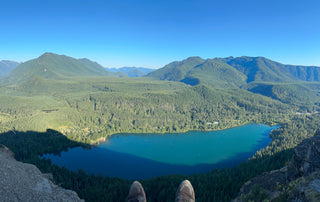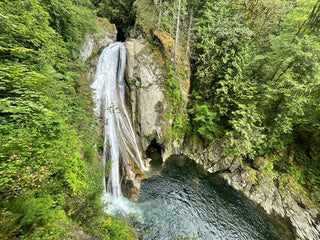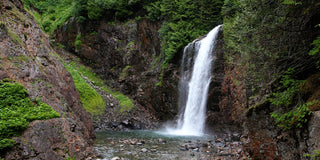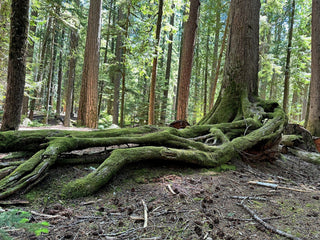
Bureau of Land Management (BLM)
E.g., Chopaka Mountain Wilderness Study Area, San Juan Islands National Monument
Public lands are managed for a mix of uses, commonly found in open, remote regions such as eastern Washington and high desert terrain.
Agency
Planning & Camping Reservations
Washington State BLM lands. Most camping is dispersed (no reservations) and first-come, first-served. Some developed sites may use Recreation.gov.
Required Pass
Usually none for dispersed camping. Fees may apply at developed sites.
Access
Often accessed via gravel or dirt roads. Conditions vary widely and can be rough or unmaintained. Navigation often requires maps or GPS. Cell service is unreliable.
Restrooms
Rare to nonexistent outside developed sites.
Crowds
Very low. Many areas feel remote and uncrowded.
Vibe
Open, quiet, and self-directed. Less structured than parks—more space, less infrastructure.
What to Expect
Minimal development. You choose your campsite in designated areas or open land (where allowed). No services like water or trash. Pack everything in and out. Typically, very few people. If you are recreating on this land you should be self-sufficient, able to navigate without signage, and manage your own water, waste, and safety
Good to know
Little to no services. Come prepared with water, navigation, and a plan.
Stay limit (often 14 days), Camp a certain distance from water or roads. Pack everything in/out (no trash, no toilets). Fire restrictions often apply
Amenities & Navigation
Very limited infrastructure. Signage may be sparse.
Activities
Dispersed camping, hiking, hunting, off-road driving (in designated areas), horse trails, wildlife viewing.
Hiker / Camper Level
Intermediate with some beginner-friendly pockets near roads or popular dispersed areas
Good to know / risk considerations
- High self-reliance required
- Conditions vary widely by location and season
- Limited emergency support or nearby services
- Fire restrictions are common