FAQ
Browse by topic below. If you don't see your question, email Celeste Olds.

Sequoia Social Club (SSC) organizes casual, educational gatherings for adults who want to enjoy the outdoors, but don’t know where to start. Like Girl Scouts, but for grown-ups.
Through beginner-friendly hikes, camping trips, and in-city classes, we teach practical outdoor skills in a low-pressure, supportive environment. You’ll learn how to plan trips, use gear, stay safe, and build outdoor confidence through real experience.
Outdoor culture can feel intense. We’re here to help you find a version of the outdoors that fits you.
While our events are geared toward beginners, all experience levels are welcome so long as they’re aligned with the spirit of the group.
This group exists to help people feel more comfortable, capable, and welcomed outdoors. Folks who bring their curiosity, kindness, patience, and respect are welcome.
Sequoia Social Club is proudly WTFNB-friendly (Women, Trans, Femme, Nonbinary) and welcoming to people of all races, ethnicities, sexual orientations, abilities, religions, and experience levels.
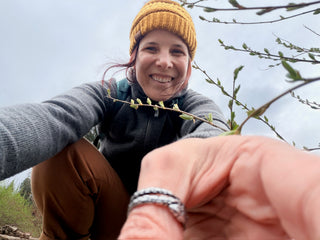
"I created Sequoia Social Club out of love for the Pacific Northwest.
Living in Seattle can make the outdoors feel a little intimidating. Everyone seems to trail run before work, rock climb on weekends, and own at least one car covered in mountain stickers. People here take the outdoors seriously.
And honestly? They should. This state is extraordinary. Alpine wilderness, rugged coastlines, old-growth forests, three national parks, and literal volcanoes?! There’s so much to explore here.
But that outdoor culture can also feel like a lot to break into, especially if you didn’t grow up doing this stuff.
I’ve spent years hiking, camping, and traveling outdoors, both locally and abroad. I’ve spent a lifetime navigating trails and campsites alongside family members with different mental, physical, and sensory needs. I’ve even had my own backcountry panic attack.
What I’ve learned is this: outdoor safety and stewardship are essential, and there are plenty of places to learn the basics. But comfort and confidence outdoors look different for everyone, and no article or checklist can tell you what your way outside should look like.
Some people want to summit peaks, and some just want to sit quietly by a river and exhale for the first time all week. Both count.
There’s no one “right” way to enjoy the outdoors, and some of us need more support and practice while figuring out what feels “right”, safe, and sustainable for them. That’s why I created Sequoia Social Club.
So if you’re new here, overwhelmed by the logistics, intimidated by the outdoors, unsure where to start, trying again after a bad experience, or simply feeling like you don’t “fit” outdoor culture, you’re in the right place. And you don’t have to figure it out alone.
I’d love to help you find your own way into this incredible place we get to call home."
- Celeste Olds, Founder & Outdoor Instructor of Sequoia Social Club
This is how we show up for ourselves, each other, and the outdoors.
Leave it better than you found it.
Treat nature, others, and yourself with care and consideration.
Lead with respect. Approach others with openness and curiosity. Treat boundaries and viewpoints with dignity, even when you disagree. This includes asking before physical or personal interactions, respecting consent, using the names and pronouns people share, and honoring each person’s identity and experience.
Take responsibility for your safety and impact. Take care of your own health and safety. Avoid actions & behavior that could harm yourself, others, or the spaces we’re in.
Practice inclusion and awareness. Help create a space where everyone feels welcome. Consider how your words, actions, and assumptions impact others, and speak up against racism, ableism, transphobia, homophobia, ageism, or other harmful behavior when it’s safe to do so.
Communicate with clarity and care. Share your boundaries, needs, and concerns respectfully, and pay attention to others’ verbal and non-verbal cues.
Stay open to learning. Well meaning intent doesn’t negate harmful impact. If something you say or do causes harm, listen, reflect, and adjust. That willingness to learn is what matters.
If you’re new to this, that’s ok. Perfection is not expected. Come as you are and grow with us.
For those that want to deepen their understanding onequity, inclusion, and racial justice, check out these great resources from Brenau University
Visit our site or subscribe to our monthly newsletter to learn about upcoming events and pick up practical outdoor tips.
Yes. Most people do.
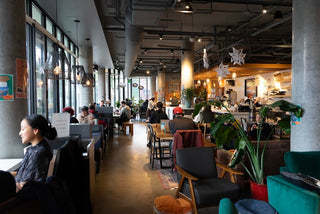
No. This is an indoor class at a coffee shop.
That’s expected. This class is designed for people who are new, unsure, or intimidated. You’re not behind, you’re exactly who this is for.
Yes. This class is required before signing up for an overnight trip. If you would like to join a trip, you can reserve your spot on the camp page.
Mt St Helens / Seaquest State Park - July 24-26
Hoh Rainforest / Bogachiel State Park - Sept 4-7
Let your camp class instructor know you’re thinking about attending an overnight trip. They’ll have a few questions & helpful guidance for ya.
Celeste Olds is a PNW outdoor instructor dedicated to building wilderness skills, confidence, and meaningful connections in nature. Her work is shaped by decades of project management, thousands of miles trekked through alpine terrain locally and abroad, and a lifetime of camping in the Pacific Northwest.
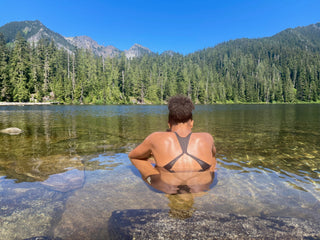
Nope. This is designed for beginners and outdoor-hesitant folks. We’ll choose a trail that matches your comfort level, goals, and experience.
Yes, you’ll need to bring your own hiking clothing, footwear, water, snacks, and basic gear. Don’t worry if you’re unsure what that means yet. I’ll help you figure out what you actually need beforehand.
That’s completely fine. Many beginners start with things they already own. Before the hike, I’ll help you determine what’s essential, what can be improvised, and what’s worth borrowing or renting before buying.
Usually, yes. Many Washington trailheads require a Discover Pass or Northwest Forest Pass. I’ll let you know what’s needed for the specific hike we choose, but you’re responsible for purchasing your own permits/passes.
Most sessions focus on beginner-friendly day hikes in the greater Seattle area or central Cascades. We can tailor the experience around things like pacing, outdoor confidence, nature observation/photography, or simply getting comfortable on trail.
That’s normal. People book these sessions because they want support easing into outdoor spaces. That’s what I’m here for. Let me know how you’re feeling and we’ll build a trip that feels accessible to you.
Not unless you want it to be. Most people start with low-to-moderate hikes focused more on learning the basics before pushing their limits.
Yes, up to 4 people can join. Reach out for pricing for groups of 5 or more.
Most people book these as solo sessions so we can tailor the experience closely to them, but friends, couples, or small groups wanting to learn together are absolutely welcome.
Some rain and muddy trails are part of Pacific Northwest hiking. If conditions are unsafe or severe, we’ll reschedule or adjust the plan as needed.
Absolutely. Most sessions naturally include conversations about future trails, gear, pacing, and next steps. If you want more in-depth planning support, you may also want to book an Outdoor Planning Session.

Yes. Most people do.
No experience needed. These trips are designed for beginners.
You’ll learn the fundamentals ahead of time in the required PNW Outdoor 101 Class, then practice them during the trip with support available throughout the weekend.
Unless otherwise indicated on the trip page, expect low to moderate activity.
We choose campsites and trails close to parking, and lean towards trails with low elevation gain. Activities like hiking are optional, and you’re free to move at your own pace.
Bears and wildlife are part of the Pacific Northwest, but our beginner trips are in frontcountry areas near towns where encounters with dangerous wildlife are very unlikely.
You’re far more likely to see animals like raccoons, squirrels, deer, elk, and birds, who are not likely to approach you. We’ll teach you simple ways to avoid attracting wildlife while camping and hiking and what to do if you do encounter it.
Camping is about enjoying the outdoors, whatever that looks like for you.
We provide an instructor to support you with gear setup, meals, and any questions that come up. We also offer optional “mini camp lessons” before or after meals.
Outside of that, your time is your own. Once camp is set, you’re free to explore nearby trails, relax at camp, connect with others, or build your outdoor skills using our library of books, guides and gear.
That’s completely normal. If you’ve spent most of your life indoors, navigating or sleeping outside can feel intimidating.
This is a beginner-friendly, supported environment. You’ll learn the basics ahead of time, and an instructor is available throughout the trip so you’re never figuring things out alone.
We camp in established campgrounds with easy access to help, very different from remote backcountry trips. Everything is designed to ease you in gradually.
If you’re not ready for an overnight yet, consider starting with one of our in-city camp prep classes or local walks at Discovery Park.
Yes. You’re responsible for bringing your own gear.
We’ll make it easy. You’ll get a detailed gear list, plus guidance on where to rent, buy, or borrow what you need. You can also ask questions during the PNW Outdoor 101 Class or reach out anytime if you’re unsure.
You’ll be sleeping in a tent at an established campground with other campers. Amenities like bathrooms and power are typically a short walk from the campsite.
When signing up for a camp event, you can select your preference around sharing a tent or having your own tent.
You’ll plan, bring, and cook (if required) your own meals.
If you’re not sure what to pack or how to approach meals, this is something we can cover in The PNW Outdoor 101 Class.
Many campers choose to cook near each other and share the experience, but it’s not required.
This class ensures everyone arrives at the campsite prepared, and set up for a successful trip. It also helps us tailor support to your experience level. Lastly, it’s a good practice to not go camping with strangers ;)
If you’re planning on attending a camp trip, let the instructor know at the PNW Outdoor 101 Class! You’ll get extra information and care to ensure you’re prepped for the trip.
In the Pacific Northwest, rain is basically guaranteed at some point. We don’t let a little rain stop us.
If you’re not sure how to layer, or stay warm & dry, this is something we can discuss in the PNW Outdoor 101 Class.
In the case of severe or unsafe conditions, we’ll modify plans or cancel as needed.
We camp in established campgrounds that are accessible and close to nearby towns.
An instructor is present throughout the trip, and we carry emergency communication tools. We also have an Emergency Action Plan that will be shared when we get to the campsite.