Group size: 6-12 people
This supportive, hands-on event will walk you through the fundamentals of planning a camping trip. From preparing and packing to setting up your own camp in a campground. You'll build the skills to plan your own trip and explore the outdoors responsibly, safely, and comfortably.
Seaquest State Park
(2 hour drive south of Seattle)
3030 Spirit Lake Hwy, Castle Rock, WA 98611
2026 Pilot Camping Season
The 2026 camping season is a pilot program designed to help shape future Sequoia Social Club campouts.
There is currently no fee to participate. In exchange, campers are asked to provide honest feedback about the booking process, camp experience, and educational content so we can continue improving future trips.
Participation is currently by waitlist & questionnaire to help groups remain small and intentionally curated.
Group trip includes:
- PNW Outdoor 101 Class (Required) An in-person learning & planning session packed with practical tips and tools to help you prepare for the trip and answer questions.
- Packing checklists
- Campsite at Seaquest State Park
What you bring:
Meals
Our PNW Outdoor 101 class can cover a variety of outdoor meal options ranging from simple to fancy. You’ll leave with inspiration on how to prep and cook a meal outside that will fit your dietary preferences.
Your camp equipment, clothes
- Including tent, sleeping mat/bag, cooking supplies, clothes, etc.
- Don’t worry if you don’t have all (or any!) of the equipment. Our PNW Outdoor 101 class will cover options to rent, buy or source what you need.



On Your Trip
What to Expect
A Camp instructor will be available throughout the weekend to answer questions and help campers set up or troubleshoot equipment. Instructors are *always* happy to talk about camping systems, share wildlife ID books/tools, and generally nerd out about nature.
There will be camping mini lessons before or after most meals that you’re welcome to attend or skip.
Things to Do
- Walk the nature trails within the park or explore nearby hiking trails
- Visit the Mount St. Helens Interpretive Center
- Relax at camp with a book, sketch pad, or hammock
- Spend time around the campfire getting to know fellow campers
- Hone your outdoor skills and expand your appreciation for nature by diving into our camp library of books, guides and equipment
Good to Know
- No pets (trained service animals are welcome)
- While you’re expected to set-up your own camp and cook your own meals, guidance and support is provided throughout the trip.
- You will be responsible for your own transportation to and from the campground.
- Come prepared with the recommended gear and supplies provided in Camp class. If you’re missing items or unsure about packing, contact your instructor in advance. Unprepared campers may not be able to join.
- Camper Code of Conduct
Schedule
What You'll Learn
Seaquest State Park & Our Campsite
Seaquest. Strange name, great park. (And despite the name, it's nowhere near the sea.)
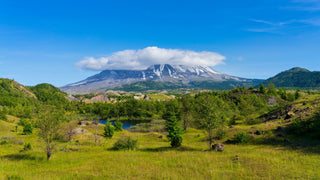
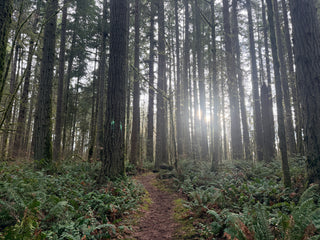
Seaquest State Park is packed with things to do, all within walking distance of camp. Seven miles of trails wind through lush forests and wetlands with open views of Mount St. Helens. The park connects to the Mount St. Helens Interpretive Center, a surprisingly engaging place to learn about the region's geology, history, and the land's recovery after the 1980 eruption.
Seaquest sits on the ancestral lands of Coast Salish and Sahaptin-language-speaking Indigenous people. Its history includes a US Government land seizure and transfer to Swedish immigrant John Charles Seaquest (originally Carl Johan Sjoquist) before becoming the state park it is today.
Campsite FAQ
- Large shared camping area for our group
- Picnic tables under a covered shelter
- Fire pit and charcoal BBQ (use subject to seasonal fire bans)
- Distance from parking to campsite: 10 to 150 ft depending on parking availability
- Mostly surrounded by trees, though nearby park structures, public trails, and the parking lot are visible from our site. Occasional highway sounds can be heard.
- No Wi-Fi, cell service, or electrical power at the campsite
- The Mount St. Helens Interpretive Center (10 min walk / 2 min drive) has limited reception
- Reliable cell service is available in Castle Rock (10 min drive)
- Nearest power outlets are in the public bathrooms (~350 ft away)
- Satellite phone available in case of emergencies
The group campsite is not ADA accessible.The ground surface is dirt and mostly flat, with occasional roots, rocks, and plants sticking out.
- All restrooms are public and shared with park visitors
- Closest restroom is ~350 ft away, with two single-person private bathrooms with locking doors
- Restroom has a toilet with plumbing, running water, hand dryers, and a power outlet
- Additional restrooms and showers are ~650 ft and beyond from the campsite
The park has 7 miles of relatively flat nature trails with 100 to 500 ft elevation changes. Trail surfaces include:
- Paved paths (well kept in some areas, rocky and unkept in others)
- Wooden boardwalks
- Narrow dirt trails with roots, rocks, branches, and the occasional fallen tree
10-minute drive from the park, just off I-5. Castle Rock has restaurants & coffee shops, motels, gas stations, and small grocery/convenience stores. The nearest full-size grocery store is in Kelso, about 20 minutes south.

Yes. Most people do.
No experience needed. These trips are designed for beginners.
You’ll learn the fundamentals ahead of time in the required PNW Outdoor 101 Class, then practice them during the trip with support available throughout the weekend.
Unless otherwise indicated on the trip page, expect low to moderate activity.
We choose campsites and trails close to parking, and lean towards trails with low elevation gain. Activities like hiking are optional, and you’re free to move at your own pace.
Bears and wildlife are part of the Pacific Northwest, but our beginner trips are in frontcountry areas near towns where encounters with dangerous wildlife are very unlikely.
You’re far more likely to see animals like raccoons, squirrels, deer, elk, and birds, who are not likely to approach you. We’ll teach you simple ways to avoid attracting wildlife while camping and hiking and what to do if you do encounter it.
Camping is about enjoying the outdoors, whatever that looks like for you.
We provide an instructor to support you with gear setup, meals, and any questions that come up. We also offer optional “mini camp lessons” before or after meals.
Outside of that, your time is your own. Once camp is set, you’re free to explore nearby trails, relax at camp, connect with others, or build your outdoor skills using our library of books, guides and gear.
That’s completely normal. If you’ve spent most of your life indoors, navigating or sleeping outside can feel intimidating.
This is a beginner-friendly, supported environment. You’ll learn the basics ahead of time, and an instructor is available throughout the trip so you’re never figuring things out alone.
We camp in established campgrounds with easy access to help, very different from remote backcountry trips. Everything is designed to ease you in gradually.
If you’re not ready for an overnight yet, consider starting with one of our in-city camp prep classes or local walks at Discovery Park.
Yes. You’re responsible for bringing your own gear.
We’ll make it easy. You’ll get a detailed gear list, plus guidance on where to rent, buy, or borrow what you need. You can also ask questions during the PNW Outdoor 101 Class or reach out anytime if you’re unsure.
You’ll be sleeping in a tent at an established campground with other campers. Amenities like bathrooms and power are typically a short walk from the campsite.
When signing up for a camp event, you can select your preference around sharing a tent or having your own tent.
You’ll plan, bring, and cook (if required) your own meals.
If you’re not sure what to pack or how to approach meals, this is something we can cover in The PNW Outdoor 101 Class.
Many campers choose to cook near each other and share the experience, but it’s not required.
This class ensures everyone arrives at the campsite prepared, and set up for a successful trip. It also helps us tailor support to your experience level. Lastly, it’s a good practice to not go camping with strangers ;)
If you’re planning on attending a camp trip, let the instructor know at the PNW Outdoor 101 Class! You’ll get extra information and care to ensure you’re prepped for the trip.
In the Pacific Northwest, rain is basically guaranteed at some point. We don’t let a little rain stop us.
If you’re not sure how to layer, or stay warm & dry, this is something we can discuss in the PNW Outdoor 101 Class.
In the case of severe or unsafe conditions, we’ll modify plans or cancel as needed.
We camp in established campgrounds that are accessible and close to nearby towns.
An instructor is present throughout the trip, and we carry emergency communication tools. We also have an Emergency Action Plan that will be shared when we get to the campsite.
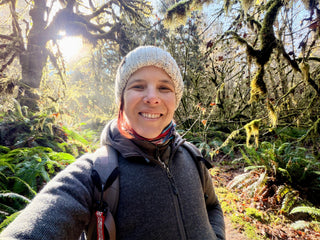
Celeste Olds
Celeste Olds is a PNW outdoor instructor dedicated to building wilderness skills, confidence, and meaningful connections in nature. Her work is shaped by thousands of miles trekked through alpine terrain locally & abroad, a lifetime of camping in the Pacific Northwest and decades of project management.
Years of problem-solving gear failures, unpredictable weather, and backcountry panic attacks have spawned the systems that make being outside safer, more comfortable, and more accessible. Celeste’s approach recognizes that while safety and stewardship are an essential baseline, confidence and comfort outdoors look different for everyone.
She creates supportive environments where people build skills at their own pace and leave with the tools and a grounded sense of capability to get outside.